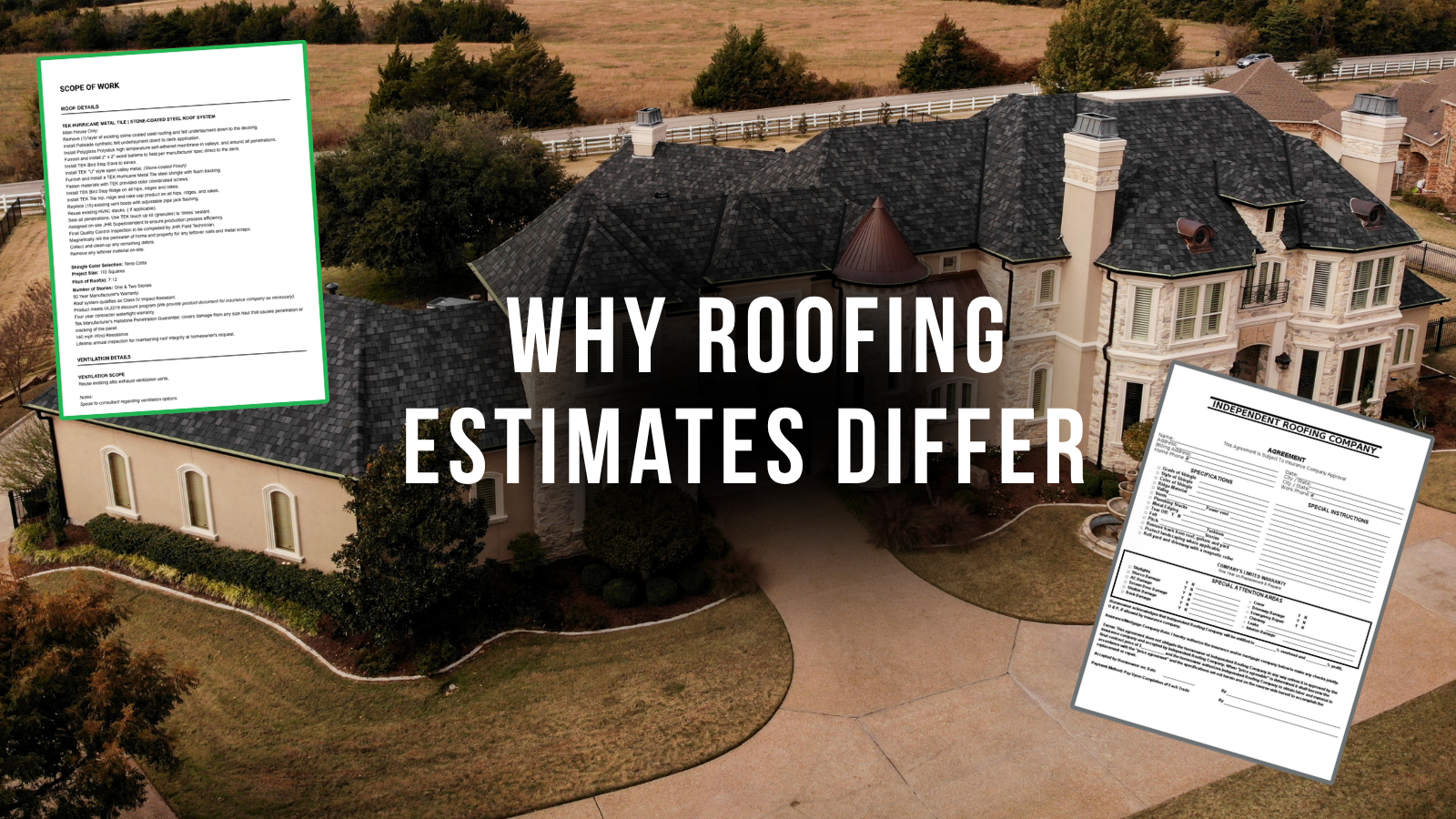
Why Roofing Estimates Aren’t All the Same
Almost every homeowner replacing a roof experiences some version of the same thing.
Three roofing contractors inspect the same house. Three estimates come back. Somehow, they’re thousands, or even tens of thousands, of dollars apart.
How is that possible? Isn’t there a standard way to price a roof?
Not exactly.
Roofing estimates can vary significantly because contractors make different decisions about materials, scope of work, installation methods, code requirements, warranties, project supervision, and the level of service included.
That’s why comparing roofing estimates isn’t as simple as comparing the number at the bottom of the page.
Your estimate will ultimately become the foundation of your construction contract, defining what you’re purchasing and what you should expect throughout the project. A detailed proposal can set a project up for success, while an unclear one can leave room for unexpected costs, confusion, and frustration.
This guide will help you understand what goes into a roofing estimate, what to look for when comparing proposals, and what questions to ask before signing a contract.
The goal isn’t simply to find the lowest price. It’s to understand what you’re getting for the price and decide which proposal you’re most comfortable moving forward with.
Planning a Roof Replacement?
Get a detailed proposal from Joe Hall Roofing & Contracting and know exactly what’s included before your project begins.
Short on Time? Start Here.
1. Roofing Estimates Are Not Standardized
There’s no universal format for a roofing estimate. One proposal may provide only a price and basic scope, while another details materials, installation methods, warranties, code requirements, and more.
[Why Estimates Are Different ↓]
2. Every Roof Is Unique
Square footage is only part of the equation. Pitch, complexity, access, flashing, ventilation, architectural details, and other factors can change the scope and cost of the project.
[Why Every Roof Is Unique ↓]
3. A Roof Is More Than Just Shingles
Underlayment, flashing, ventilation, water protection, fasteners, and other components all contribute to the performance and cost of a complete roofing system.
[See What Makes Up a Roofing System ↓]
4. Many Factors Determine the Cost
Materials, labor, roof complexity, code requirements, existing conditions, and even problems hidden beneath the old roof can affect the final price.
[What Determines Roof Cost? ↓]
5. Quality and Installation Matter
Products that look similar can differ in durability, performance, and warranty coverage. Just as important is how the entire roofing system is installed.
[What Goes Into a Quality Installation? ↓]
6. You’re Comparing Contractors, Too
Experience, project management, quality control, training, warranties, insurance, and long-term support may not be obvious from the number at the bottom of an estimate.
[What You’re Really Paying For ↓]
The takeaway: Don’t compare roofing estimates on price alone. Compare the scope, roofing system, materials, installation standards, warranty, and contractor standing behind the work.
Roofing Estimates Are Not Standardized
This is an important point that most homeowners never realize.
Unlike insurance estimates or real estate appraisals, roofing proposals have no universal format.
Also known as a contract or proposal, an estimate is usually the step between a roof inspection and the production process. While the final price naturally receives the most attention, the details within the estimate are equally important to understanding the full scope of the project.
It’s at the roofing company’s discretion to decide what they want to include or exclude. When it comes to roofing estimates, there are plenty of variations, from the aesthetically pleasing branded ones to generic ones that may leave a lot unsaid.
At the bare minimum, you may receive a generic, handwritten form that simply lists a total price and offers vague descriptions of what is included. Another contractor may provide a few pages, with a total price and minimal descriptions.
A thorough estimate would include several pages, detailed installation methods, product specifications, warranties, code upgrades, a project timeline, and more.
A strong proposal will explain exactly what you’re purchasing. Others may leave you guessing.
All are technically considered “estimates,” yet they may represent completely different roofing systems and procedures.
Every Roof Is Unique
No two roofs are exactly alike.
At Joe Hall Roofing & Contracting, a proposal for your roofing project should be as thorough as possible and custom-tailored to your roof, because your roof is unique and does not fit into a template.
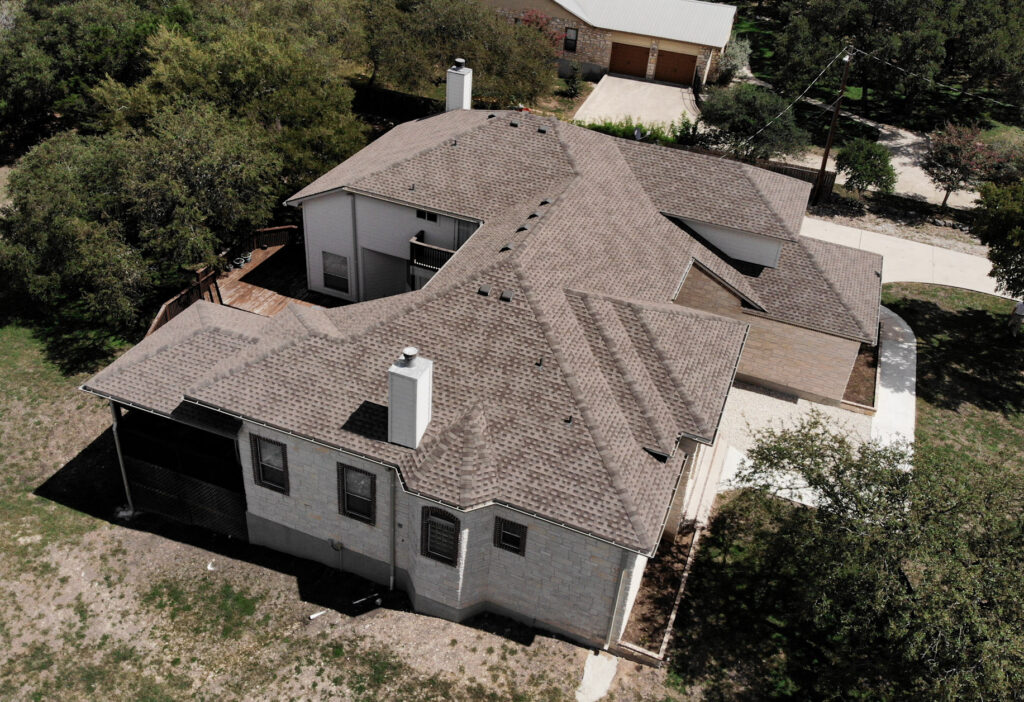
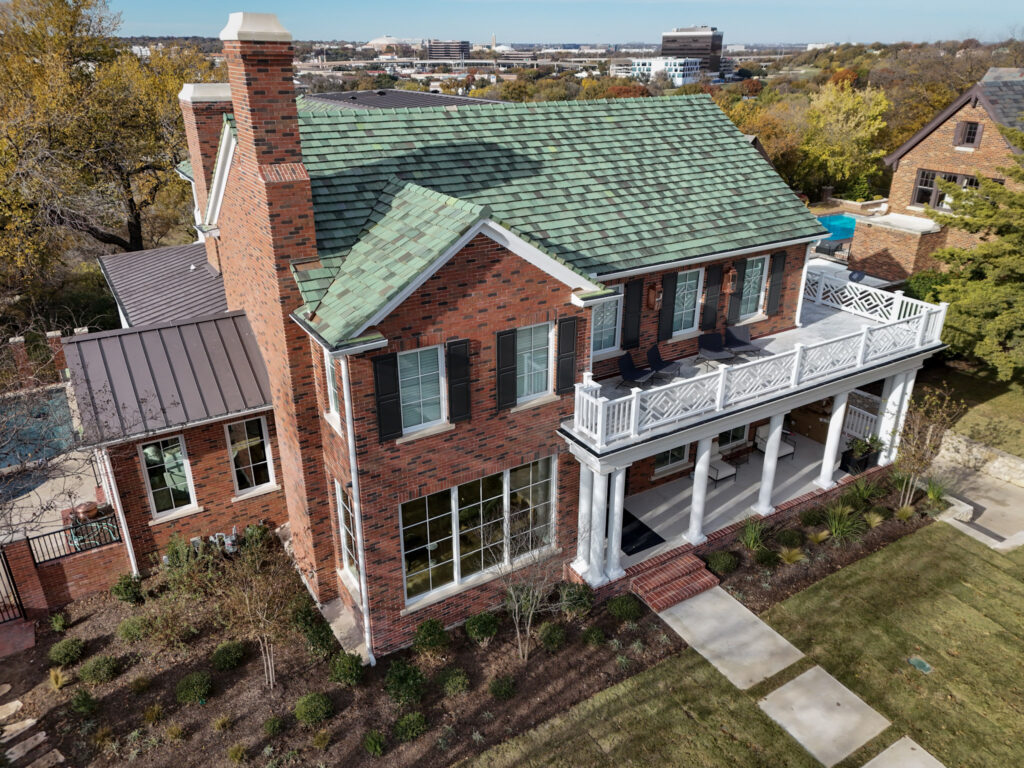
Even homes with identical floor plans can require different labor costs, materials, flashing details, ventilation improvements, architectural components to address, code upgrades, and more.
You’d be surprised how many contractors don’t build a custom estimate for your roof.
When every roof is treated the same for the sake of speed and efficiency, you may receive a very generic roof system that may be missing components or code upgrades, which might reflect a lower upfront price.
Your roof deserves a proposal tailored to it, not copied from a template.
A Roof Is More Than Just Shingles
When comparing roofing estimates, it’s easy to focus on the primary roofing material. But shingles, tile, metal, or another roof covering are only the most visible part of a complete roofing system.
What’s underneath and how those components are installed can have just as much impact on the roof’s long-term performance.
Depending on the roof and material being installed, a complete roofing system may include:
- Underlayment
- Starter shingles
- Ridge caps
- Ventilation
- Flashing
- Pipe boots and roof penetrations
- Ice and water protection
- Fasteners
- Drip edge
- Manufacturer-specific accessories and components
This is one reason two estimates for the same roof can look very different. One contractor may include upgraded underlayment, new flashing, ventilation improvements, or additional waterproofing, while another proposal may leave those items out or simply not explain them.
A thorough roofing estimate should clearly define the complete system being proposed, not just the material you’ll see when the job is finished.
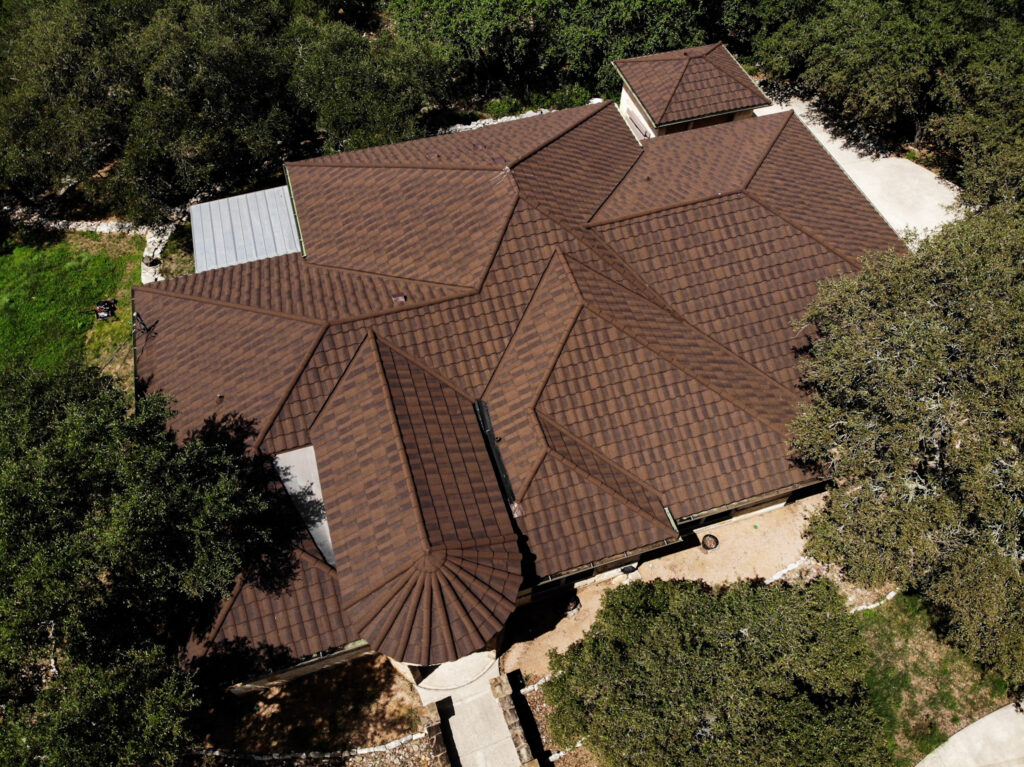
What Actually Determines the Cost of a Roof?
One of the most common questions homeowners ask is, “How much should a new roof cost?”
The honest answer is: it depends.
The cost of a roof replacement is difficult to generalize because every home, roofing system, and project presents its own unique challenges.
A roof’s price is influenced by many factors, including:
- Geographic region
- Current material pricing
- Labor availability and demand
- Roof size
- Roof pitch (steepness)
- Roof complexity
- Number of stories
- Existing roofing layers
- Ground protection requirements
- Building code requirements
- Material selection
Some of these factors are immediately visible during an inspection. Others aren’t discovered until the existing roof has been removed.
A Real-World Example:
Imagine two homes with nearly the same square footage.
The first is a simple, single-story home with a moderately pitched roof, minimal landscaping, and very few roof penetrations.
Now, picture a two-story home with steep rooflines, mature landscaping surrounding the property, three large chimneys, twenty custom-fabricated open metal valleys, and a vivid designer asphalt shingle installed on steep roof slopes ranging from 10:12 to 12:12 pitch.
Although the two homes may appear similar in size, they are completely different roofing projects.
The second home requires additional safety measures for steep slopes, more labor to install complex flashing details, significantly more time to navigate roof transitions, and far greater care in protecting the landscaping during both tear-off and installation.
Every one of those factors affects production time, crew requirements, material quantities, and ultimately the project’s final cost.
The Hidden Costs Homeowners Can’t Always See
One of the biggest variables isn’t always visible during the initial inspection.
Hidden beneath the existing shingles may be multiple layers of old underlayment (felt paper) that must also be removed before a new roofing system can be installed.
Today, many municipalities and manufacturer installation specifications require these older layers of underlayment to be removed rather than roofing over them. Doing so helps create a better and more durable roofing system, but it also requires considerably more labor.
In our own experience, we’ve encountered roofs with three or even four layers of aged felt beneath the shingles.
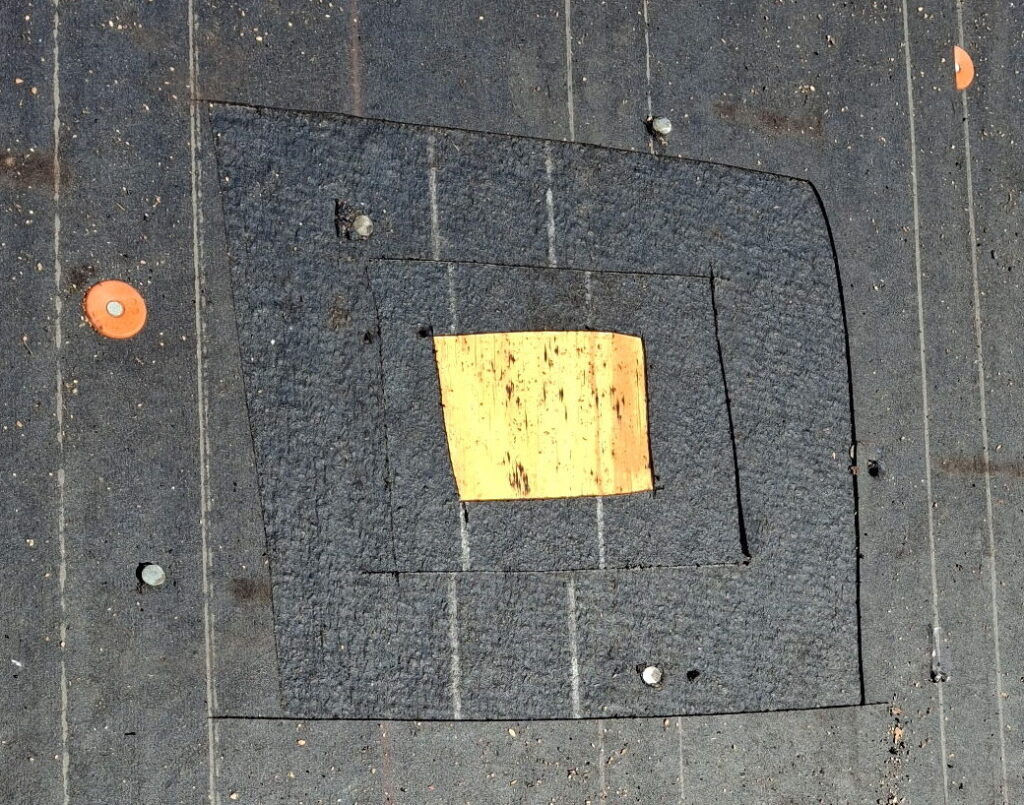
Each layer becomes progressively more brittle with age. By the final layer, especially on windy days, removing the material can appear like thousands of small pieces of black felt raining down across the property.
That doesn’t just increase tear-off time; it also creates significantly more cleanup and requires additional attention to protect the surrounding landscape.
Neglecting to address the underlayment and proper removal procedures is a shortcut we’re not willing to take.
It’s simply part of installing a roofing system the right way.
At Joe Hall Roofing & Contracting, homeowners deserve to understand these realities before the project begins. Whenever possible, we discuss potential unknowns upfront so there are fewer surprises later.
Could some contractors leave these items out of their estimate and attempt to recover the cost later through insurance supplements? Yes.
But supplements are never guaranteed, and we’d rather provide an honest estimate from the beginning rather than rely on costs that may or may not be approved later.

What Goes Into a Quality Roof Installation
Most homeowners focus on shingles because they’re the most visible part of a new roof. But many of the details that determine how a roof performs and what it costs are hidden beneath the surface.
A roofing estimate may account for:
- Building code and manufacturer requirements
- Permits
- Ventilation improvements
- Flashing upgrades
- Deck repairs
- Quality control and project supervision
These items require additional labor, materials, and expertise, but they can also play an important role in the roof’s long-term performance.
At Joe Hall Roofing & Contracting, we identify applicable code requirements, obtain required permits, and explain existing deficiencies whenever possible before work begins. If insurance is involved, some legitimate additional costs may also be eligible for reimbursement through the supplement process.
Insurance Claim Tip: Your insurance company’s initial estimate may not include every code-required or manufacturer-required item. Some aren’t identified until additional documentation is provided or work begins.
A common example is a chimney cricket, which helps divert water around the uphill side of a wide chimney and away from a vulnerable area of the roof. (Learn more about chimneys here)
Our goal is to install a complete roofing system, not simply replace shingles.
Have Questions About Your Roof?
Tell us what’s going on with your roof, and a member of our team can help you determine the right next step.
👉🏼 Talk With Our Team

Material Quality Matters
Not all roofing materials are created equal
Two shingles may look nearly identical from the ground but differ significantly in construction, performance, warranty coverage, and expected lifespan.
Higher-quality roofing materials may offer:
- Longer manufacturer warranties
- Better wind and hail resistance
- Thicker, more durable construction
- Improved algae and stain resistance
- Enhanced curb appeal
- Longer expected service life
At Joe Hall Roofing & Contracting, we typically recommend products in the “better” and “best” categories because we believe they provide greater long-term value. But that doesn’t mean every home needs a premium roofing system.
After 37 years of seeing roofing products come and go, we recommend materials based on more than manufacturer claims. We consider how they’ve actually performed over time in North Texas.
Our goal isn’t to sell the most expensive roof. It’s to help you understand the differences and choose the right system for your home, goals, and budget.
The Lowest Price Doesn’t Always Mean the Lowest Cost
One of the biggest misconceptions in roofing is that every contractor should arrive at roughly the same price for the same roof.
In reality, every roofing company operates differently. A small contractor working out of a pickup truck may have far less overhead than a company with a permanent location, production managers, project coordinators, quality control, insurance, equipment, continuing education, and a larger team.
Does that automatically make one better than the other? Not necessarily. But it does help explain why roofing estimates can vary significantly.
At Joe Hall Roofing & Contracting, we’ve never tried to win business by being the lowest-priced contractor. We invest in the people, systems, and processes that create accountability before, during, and after your project.
When you hire us, you’re not simply paying for materials and labor. You’re hiring a company that has served North Texas for more than 37 years, stands behind its workmanship, and intends to be here if you need us down the road.
So when comparing roofing estimates, don’t just ask:
“Who is the cheapest?”
Ask:
“What am I actually getting for the price?”
What You’re Really Paying For
When comparing roofing estimates, it’s easy to focus on the final price.
What’s harder to see are the people, processes, and relationships working behind the scenes to deliver a successful roofing project.
Here are a few investments that often set one roofing contractor apart from another.
Experience
With more than 37 years of service in North Texas, we’ve completed thousands of roofing projects across a wide variety of roofing systems. That experience helps us identify potential issues before they become costly problems and make recommendations based on decades of real-world performance, not guesswork.
Education & Continued Training
Roofing products, building codes, and installation methods continue to evolve. We invest in ongoing education through manufacturers, suppliers, and industry organizations to ensure our team stays current with best practices and new technologies.
Strong Industry Relationships
One investment homeowners rarely see is the long-standing relationships we’ve built with manufacturers and roofing supply companies.
These partnerships provide ongoing product training, technical support, warranty resources, and access to new products and installation methods, all of which help us better serve our customers.
Professional Material Management
Rather than gathering and delivering materials ourselves, we partner with professional roofing supply companies that specialize in logistics. We also take comfort in knowing that partnering with a reputable roofing supply house, you will receive shingles that have been stored and transported correctly, and are guaranteed to be the quality material advertised.
They coordinate deliveries so the right materials arrive on the right day and in the proper quantities. This helps improve scheduling, reduce delays, and keep projects moving efficiently.
Quality Assurance
From production managers and superintendents to quality control inspections, multiple people are involved in ensuring your roof is installed according to our standards, not simply completed.
Project Management
A successful roof replacement requires far more than installing shingles.
Scheduling, material ordering, communication, crew coordination, project oversight, and homeowner updates all happen behind the scenes to help ensure your project runs smoothly from start to finish.
Long-Term Support
A new roof isn’t the end of the relationship.
If questions arise years later, you deserve to know the company that installed your roof is still here to answer the phone, stand behind its workmanship, and help protect your investment.
Shared Knowledge
One of the greatest assets within our company isn’t found in a warehouse; it’s the experience of our people. We intentionally pass knowledge from our veteran team members to newer employees so decades of field experience continue to benefit every homeowner we serve.
Questions Every Homeowner Should Ask Before Signing
- Is this proposal customized to my roof?
- Are permits included?
- What warranties are included?
- Is code compliance included?
- Are ventilation improvements (if needed) included?
- What happens if damaged decking is discovered?
- Who supervises the installation?
- Who performs quality inspections?
- How long has the company been in business?
- Is this contractor certified with the shingle manufacturer?
- Will this contractor still be here in ten years?
Final Thoughts
Price tells you what you’ll pay.
A proposal tells you what you’ll receive.
The goal isn’t to hire the cheapest contractor.
The goal is to hire the contractor who provides the greatest long-term value for your home.
At Joe Hall Roofing & Contracting, we’ve spent more than 37 years helping homeowners make informed decisions, not pressured ones.
Whether you choose another contractor or us, we encourage you to compare roofing estimates carefully, ask questions, and fully understand what is and is not included before signing.
Because replacing your roof isn’t simply another purchase.
It’s an investment in protecting your home for years to come.
Planning Your Next Roofing Project?
Whether you’re comparing estimates or just beginning to explore your options, our team is here to help you understand your roof and make an informed decision.
Roofing Estimates FAQ
Roofing estimates aren’t standardized. Contractors can propose different materials, installation methods, roofing components, warranties, code upgrades, and levels of project oversight, even when they’re estimating the same home. Your article explains that even proposals technically considered “estimates” can represent very different roofing systems and procedures.
[Learn Why Roofing Estimates Aren’t Standardized ↓]
Roof size is only one factor. Pitch, complexity, number of stories, existing roofing layers, material selection, code requirements, labor conditions, and other project-specific factors can all influence cost.
[See What Determines the Cost of a Roof ↓]
Yes. Some conditions can’t be fully identified until the existing roofing system is removed. Damaged decking, additional layers of old underlayment, and other concealed conditions can create additional work that wasn’t visible during the initial inspection.
If the project involves an insurance claim, eligible additional work may sometimes be submitted to the insurance carrier as a supplement for consideration. If the project is being paid out of pocket, or if a supplement isn’t approved, the additional work and cost can be documented through a change order before moving forward.
Compare the complete roofing system, materials, installation methods, code compliance, warranties, project supervision, quality-control procedures, and the contractor responsible for the work.
[See What You’re Really Paying For ↓]
Not necessarily. Roofing companies have different overhead, staffing, project-management processes, insurance, equipment, training, and quality-control standards. Those differences can affect price, but price alone doesn’t determine whether one proposal is right for your home.
[Why Roofing Contractor Pricing Varies ↓]