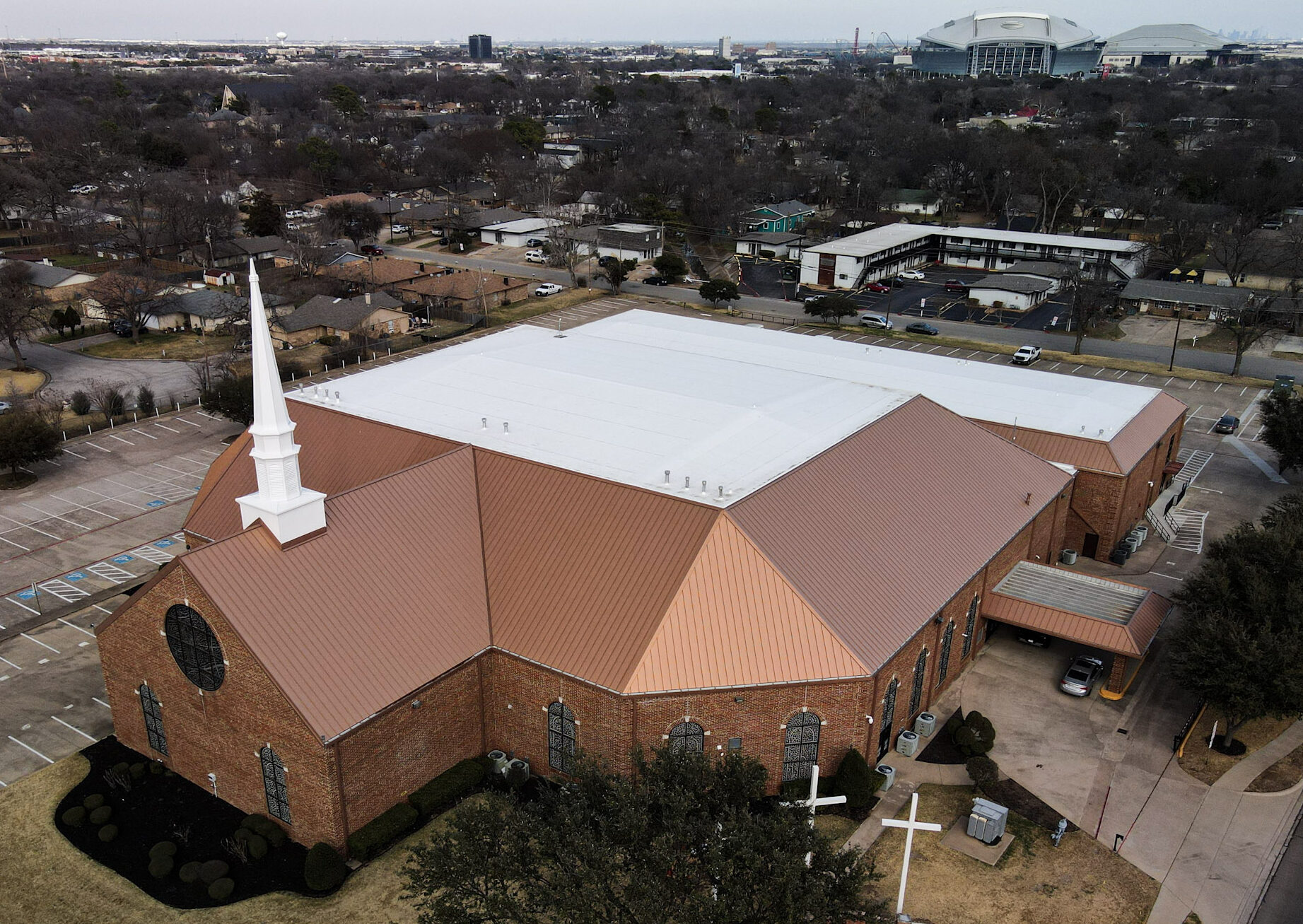
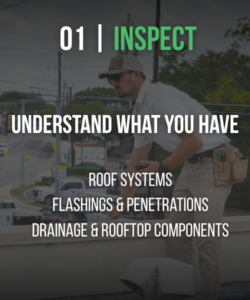
Before recommending a repair or replacement, we begin by evaluating your existing roofing systems and turning our findings into information your facility team, pastor, board, trustees, or finance committee can actually use.
Your Church’s roofing needs may extend beyond a single roof.
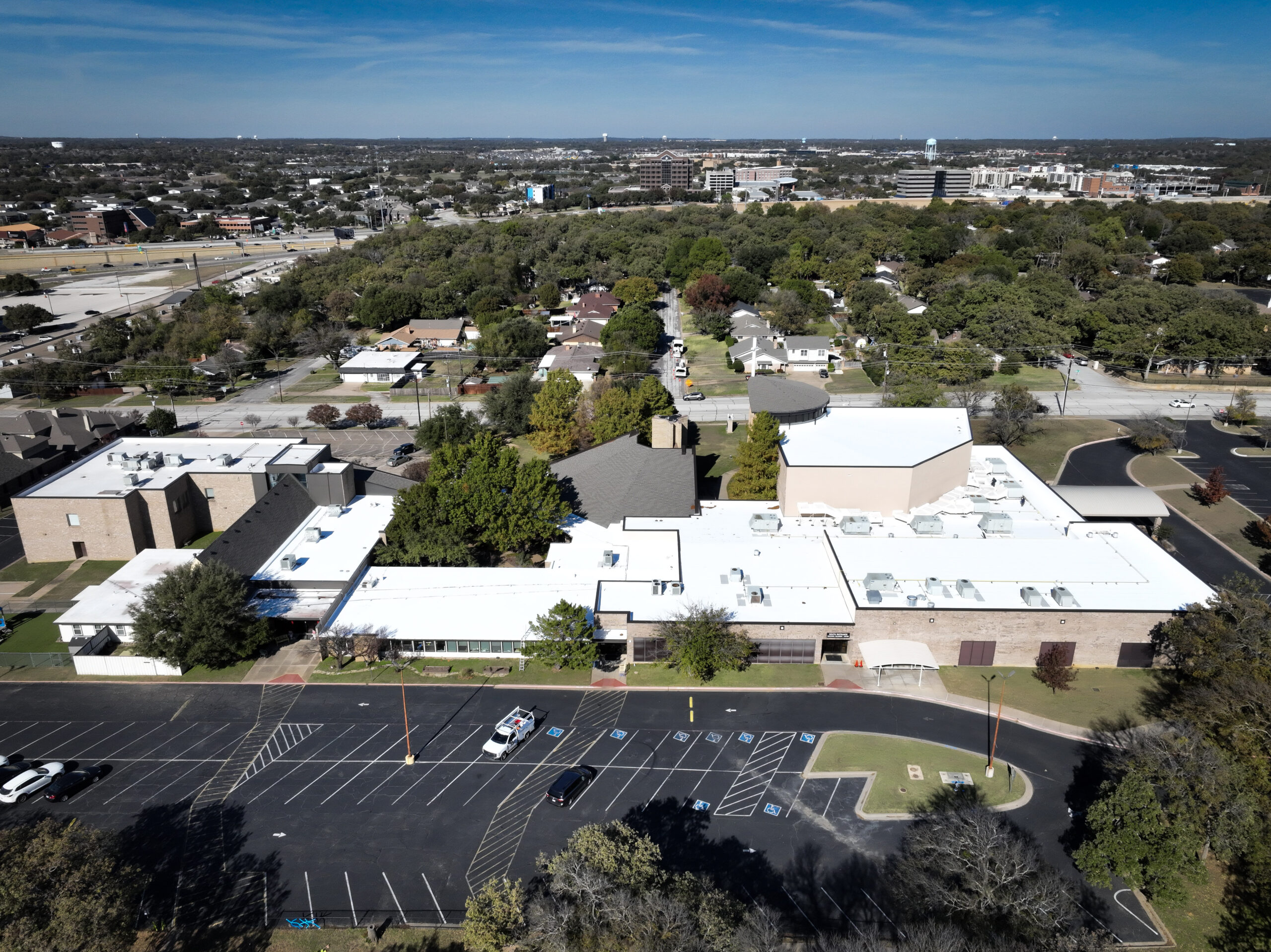
Many religious facilities have evolved over decades. A sanctuary may have been built in the 1970s, an education wing added in the 1990s, and a family life center constructed twenty years later.
That can leave one campus with:
The goal shouldn’t always be to replace everything at once.
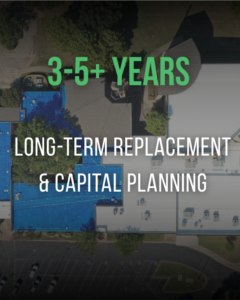
We help your leadership team gain a clear picture of your roofing needs; including what you have today, it’s current condition, what deserves attention now, and what can be planned for down the road.
Churches often have to balance facility needs with ministry priorities. An unexpected six-figure roofing project can put enormous pressure on that budget.
If your campus has several buildings, we can help establish priorities based on condition, urgency, expected service life, and available roofing options.
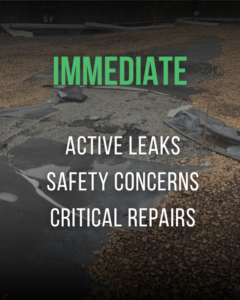
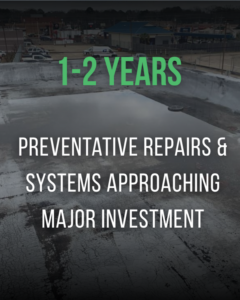
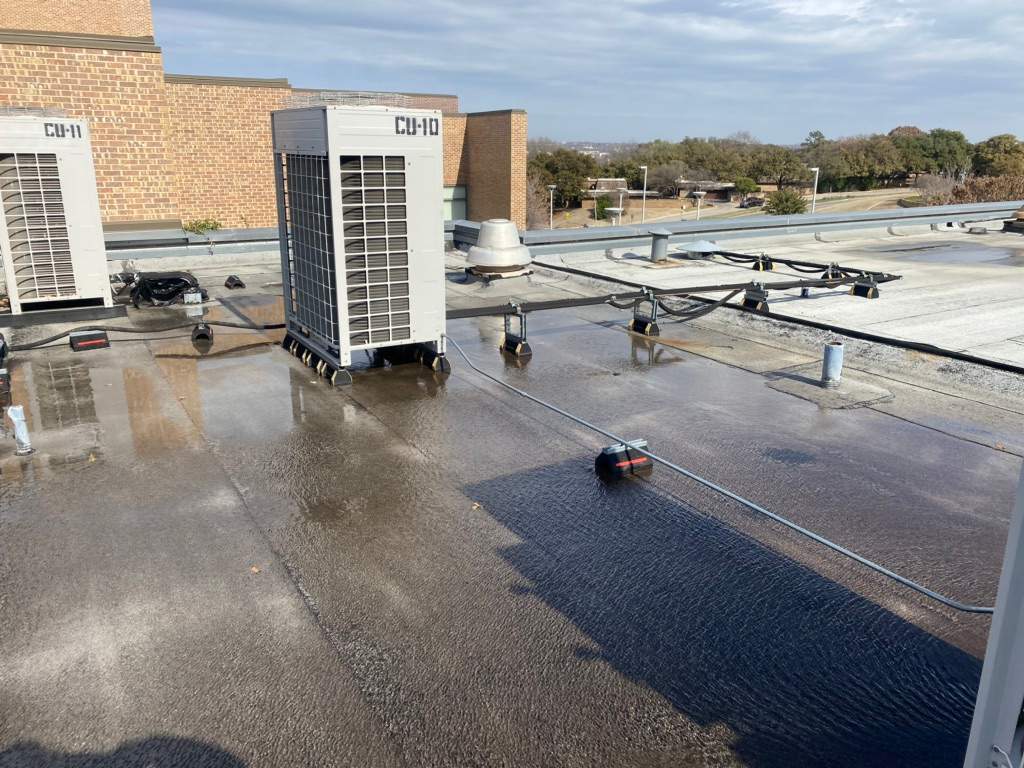
A roof leak doesn’t necessarily mean your church needs a new roof.
Our commercial roofing team investigates the source and extent of the problem before recommending a solution. When a repair is appropriate, we’ll explain what we found, what should be addressed, and how the repair fits into the expected remaining life of your roof.
Our team evaluates common sources of roof leaks and damage, including:
Eventually, repairs may no longer be the most practical long-term investment.
When a roof approaches the end of its service life, we’ll help your organization evaluate the available options—not simply present one replacement proposal. Depending on the existing roof assembly, its condition, and the long-term needs of your facility, those options may include repair, restoration, roof recovery, retrofit, or complete replacement.
With more than 37 years of roofing experience, our team works with both low-slope and steep-slope roofing systems and can help your organization understand the materials, installation methods, warranties, and performance considerations available for your church or campus.
Explore our Commercial Roofing Material Options to learn more about the roofing systems available for your facility. The systems featured on our website aren’t an exhaustive list, and our team can help identify the material and installation approach best suited to your property.
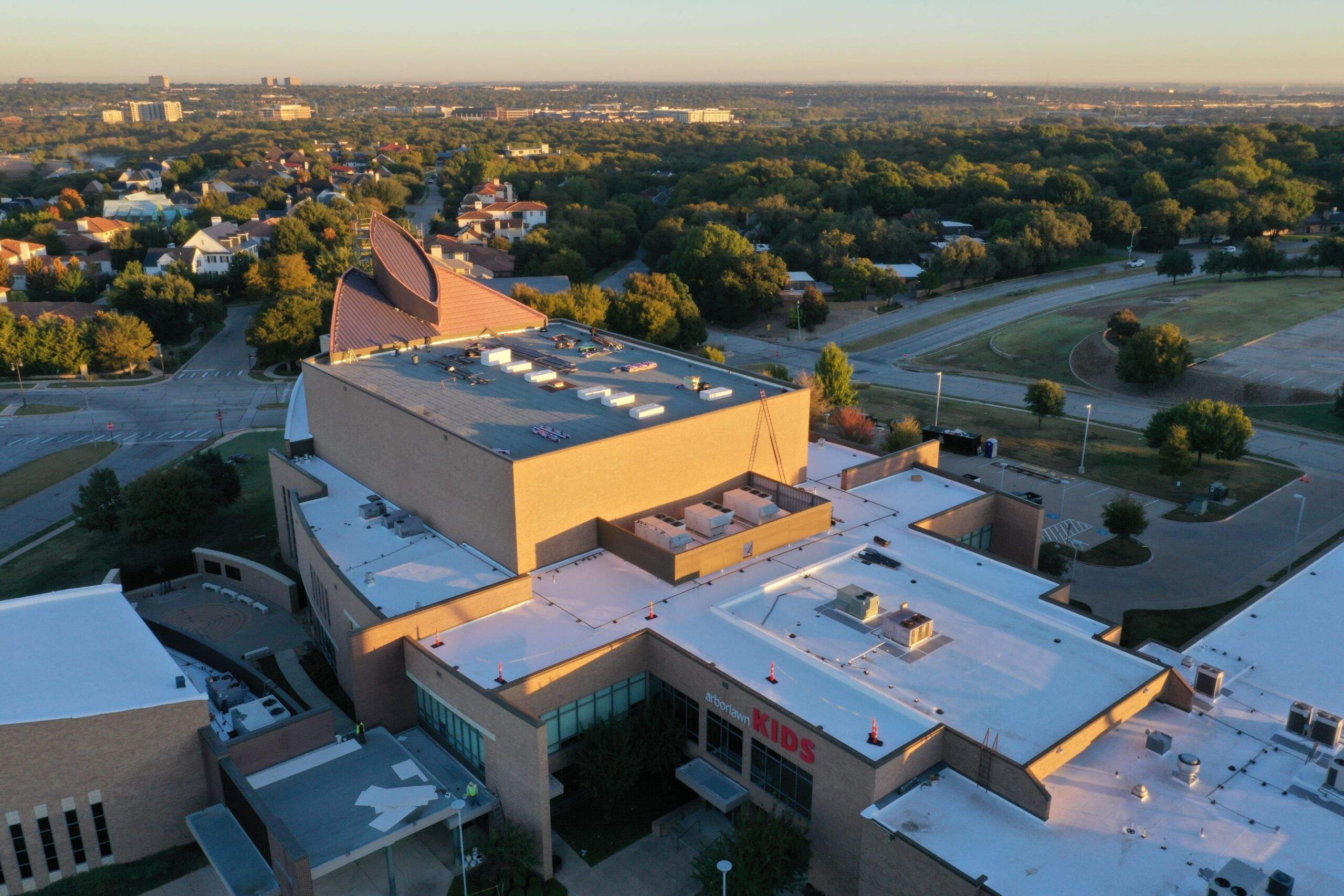

Our low-slope capabilities include TPO, EPDM, modified bitumen, roof coatings and restoration systems, along with multiple installation and application methods based on the existing roof and building conditions.

Churches with steep-slope roof areas have access to a wide range of materials, including asphalt shingles, standing-seam metal, stone-coated steel, tile, slate, synthetic roofing and other specialty systems.

Many commercial properties combine steep- and low-slope roofing. Proper transitions, drainage, flashing and system integration are critical to long-term performance.
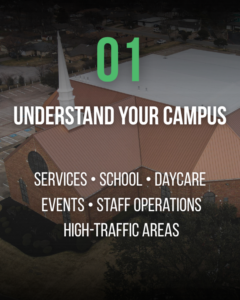
Your church doesn’t stop operating because there’s a roofing project underway. Worship services, weekday programs, schools, daycare operations, funerals, weddings, community events, and daily staff activities all have to be considered before production begins.
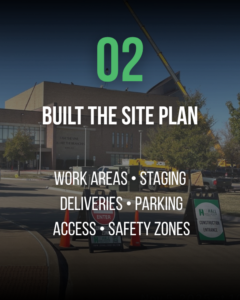
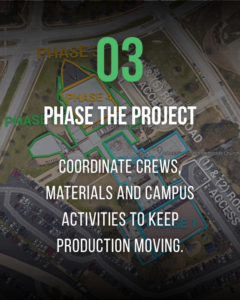
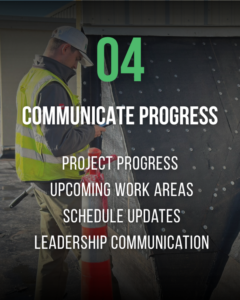
That’s why our planning starts well before materials arrive on site. We work with your facility and leadership teams to understand how your campus operates, identify important scheduling and safety considerations, and develop a production plan designed to minimize disruption throughout the project.
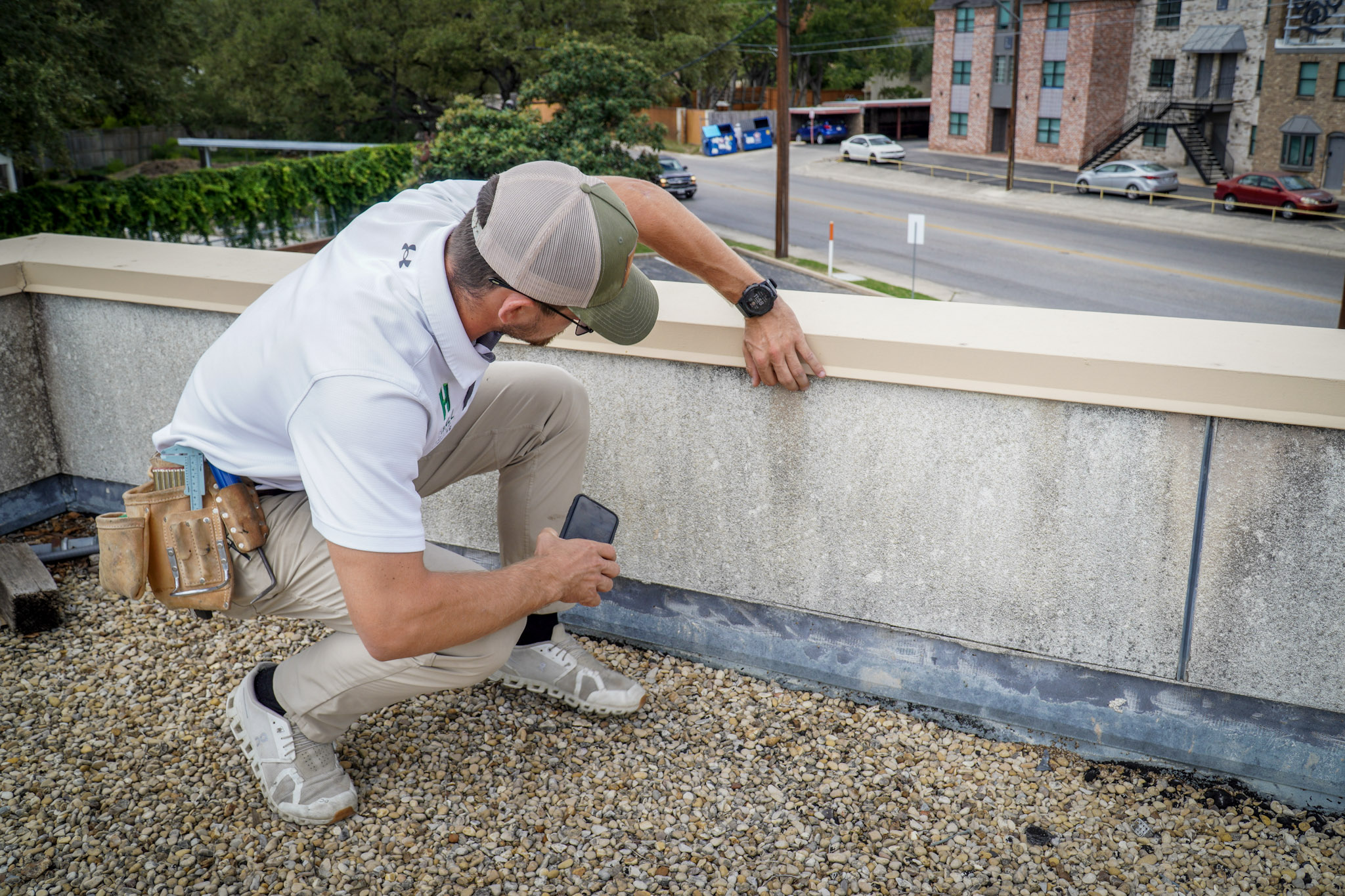
Not every roof needs to be replaced. Often, one of the best things a church can do is properly maintain the systems already protecting its facilities.
Joe Hall Roofing’s commercial roof asset management approach helps property owners proactively monitor their roofs rather than waiting for the next leak.
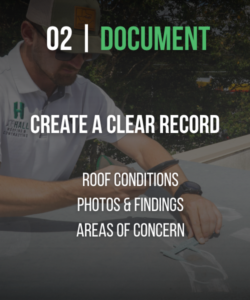
You can explain services such as scheduled inspections, debris removal, checking drains and drainage components, reviewing penetrations and flashings, documenting roof conditions, identifying developing concerns, and maintaining records of completed maintenance.
Better information allows church leadership to budget proactively, prioritize repairs, protect manufacturer warranties, and reduce surprises.
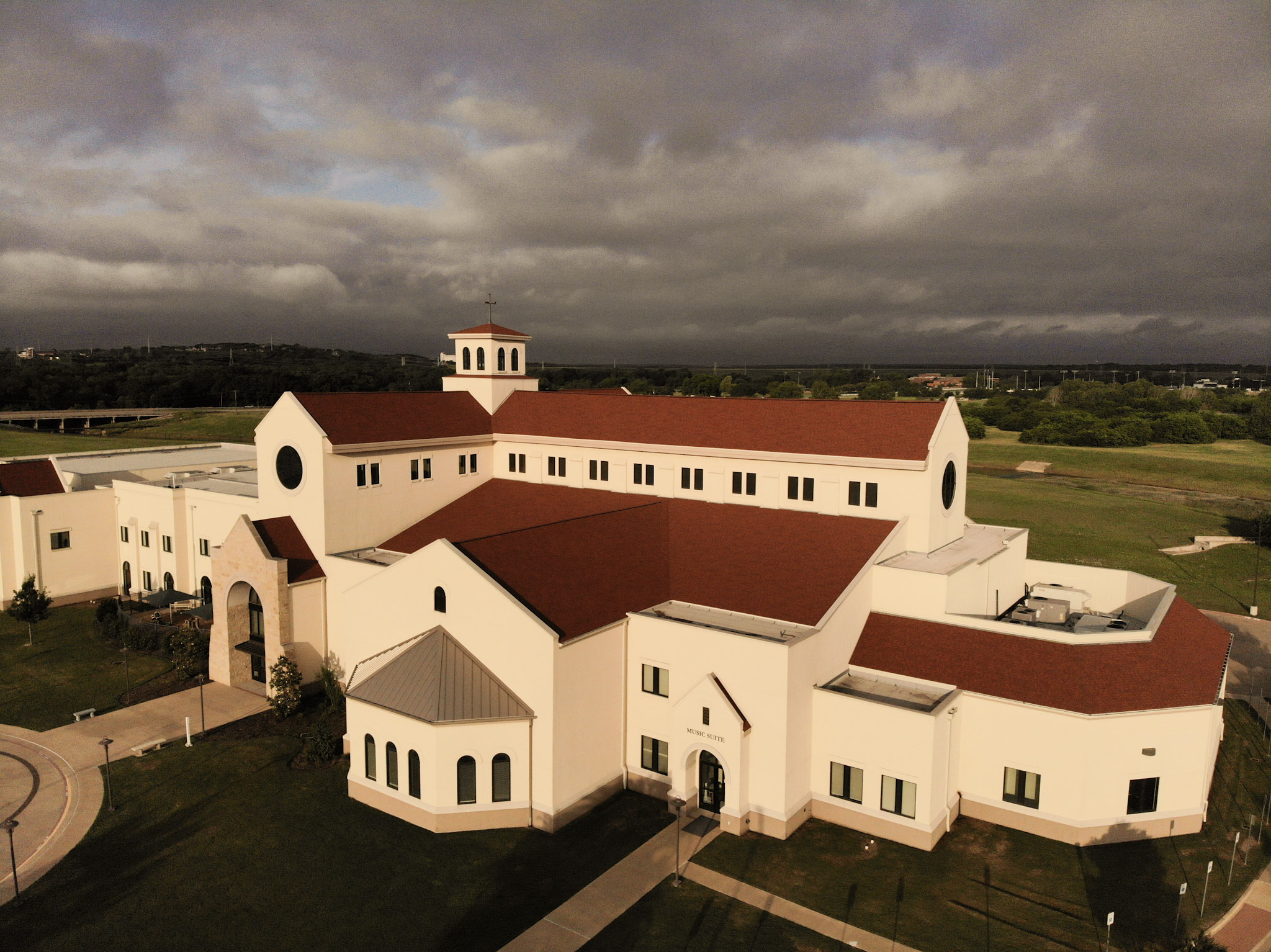
Texas churches are no strangers to hail and severe weather. If a storm affects your property, we can document visible roof conditions and help your team understand the roofing scope that may be necessary.
Your insurance carrier determines coverage. Our role is to provide roofing expertise—evaluating the roof, documenting conditions, developing an appropriate scope of work, and helping you understand the roofing decisions in front of you.
🎥 Hear what our friends at Arborlawn United Methodist Church have to say about our expertise.
Yes. An active roof leak doesn’t automatically mean the entire roof needs to be replaced. If the existing roofing system is still serviceable, targeted repairs may be the most practical solution. Our goal is to identify the source of the problem, evaluate the overall condition of the roof, and help you understand whether repairing it makes financial and functional sense compared with a larger roofing project.
We generally recommend having commercial roofing systems professionally inspected at least once or twice a year, as well as after significant hail, wind, or severe weather events. Regular inspections can help identify developing problems before they result in interior damage while providing valuable documentation of your roof’s condition over time.
If your roof is covered by an existing manufacturer warranty, inspections and maintenance should be performed according to the manufacturer’s specific requirements to help keep that warranty intact.
For commercial roofs replaced by Joe Hall Roofing, we include a two-year re-inspection process to help monitor the roof after installation. If we weren’t the original installer, our Asset Management Program provides another option for proactive care, with quarterly, semi-annual, or annual inspection and maintenance schedules based on the needs of your facility and roofing system.
Yes. We conduct an extensive inspection of the roofing systems across your entire campus to give church leadership a clear understanding of its current and future roofing needs. Different buildings may have different roof systems, installation dates, warranties, conditions, and remaining service lives.
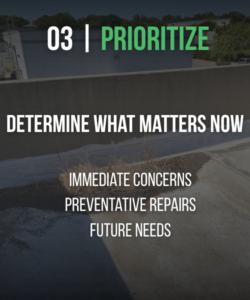
Following our inspection, we provide a detailed roof inspection report documenting our findings, identified concerns, roof conditions, and recommended next steps. This helps your organization prioritize what requires immediate attention, what can be addressed through preventative maintenance or repairs, and what should be incorporated into future capital planning.
Yes. Churches are active facilities, and roofing production should be planned accordingly. Before work begins, our team can coordinate with church leadership around worship services, schools, daycare programs, funerals, weddings, community events, parking requirements, material deliveries, and other activities. Proper pre-production planning helps minimize disruptions while maintaining a safe and organized jobsite.
There isn’t one roofing system that’s best for every church. The appropriate system depends on the building’s design, roof slope, existing assembly, drainage, budget, long-term plans, and other factors. A church campus may even require several roofing systems—for example, shingles or metal on steep-slope areas and a commercial membrane system on low-slope portions. We evaluate the building and help your organization compare appropriate options rather than recommending the same system for every property.
The expected service life depends heavily on the type of roofing system, quality of installation, weather exposure, drainage, maintenance, foot traffic, and other building conditions. Instead of relying solely on the roof’s age, we recommend evaluating its actual condition and performance. A properly installed and maintained roofing system may continue performing well beyond the point when another roof of the same age begins experiencing problems.
Yes. Preventative maintenance can include inspecting the roof field, flashings, penetrations, drainage components, coping, parapet walls and other critical areas; clearing roof debris where appropriate; documenting existing conditions; and identifying items that need attention. A documented maintenance program via our Asset Management Program can help extend the service life of a roofing system, reduce unexpected leaks, and support compliance with applicable manufacturer warranty requirements.
Start by documenting where you’re seeing water inside the building and contact a qualified roofing contractor to investigate the source. The location of an interior leak doesn’t always correspond directly with the source on the roof, since water can travel through the roofing assembly or building before becoming visible. Our team can investigate the affected area, document what we find, and recommend an appropriate course of action based on the roof’s overall condition.
The cost to replace a church roof can vary significantly depending on the size of the facility, existing roof system, roof condition, accessibility, insulation requirements, drainage, number of penetrations, and the roofing system selected. Churches with multiple buildings may also have several different types and ages of roofs across the same campus. Before providing a replacement recommendation, we evaluate the existing conditions and help your organization understand the available repair, recovery, restoration, or replacement options.
Yes. In fact, we prefer to involve the appropriate decision-makers throughout the process so everyone stays informed and has a clear understanding of the roof’s condition, available options, and our recommendations.
Roofing decisions for churches often involve pastors, facility managers, trustees, board members, finance committees, and other stakeholders. We provide detailed inspection reports, photographs, documentation, roofing options, and clear explanations that can be shared among your team. Our goal is to keep everyone on the same page and provide your organization with the information needed to make a confident, well-informed decision together.
Yes. This can be especially valuable for churches with multiple buildings. By evaluating each roof’s current condition and anticipated needs, we can help leadership identify immediate concerns while planning for repairs and larger capital expenditures in the years ahead. The goal is to give your organization time to budget and make informed decisions rather than being forced into a major roofing project because of an unexpected failure.